 中文
中文Basalt Fiber Shielding Suit for Power Industry Live-Line Protective Clothing Solutions
Product Overview
Protective Clothing Solutions for the Power Industry
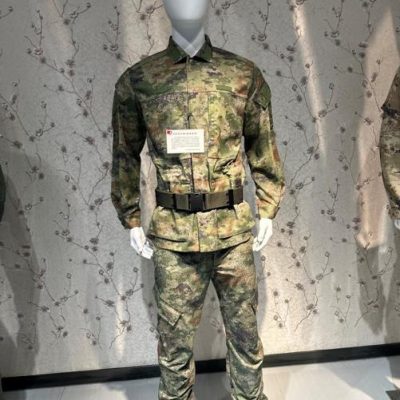
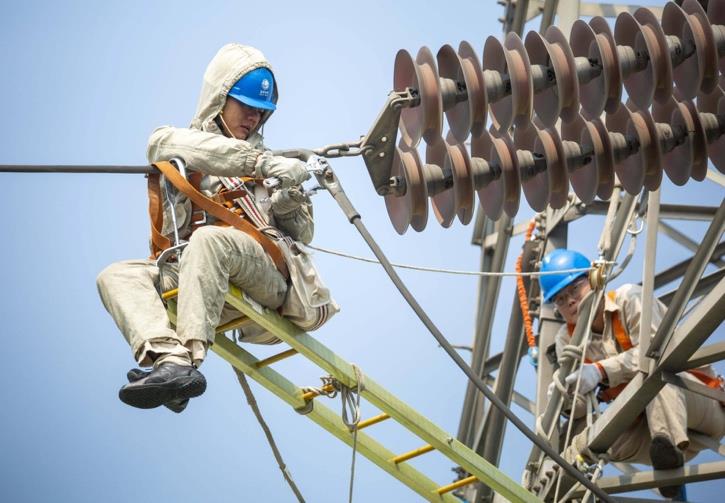
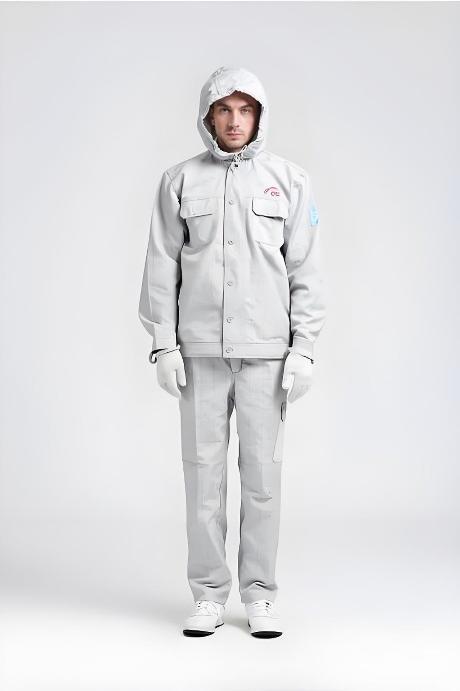
The shielding suit woven with basalt fiber fabric possesses characteristics such as fire resistance, heat insulation, wear resistance, and high shielding efficiency.
Live-line maintenance on energized transmission and distribution networks requires protective garments that simultaneously manage thermal hazards and electromagnetic field exposure. Basalt fiber fabrics answer this challenge by combining an inherently non-combustible mineral substrate with engineered conductive shielding layers. The resulting suit protects electrical workers during proximity and contact operations without the weight and rigidity penalties associated with traditional metal-mesh apparel.
For utility procurement and safety engineers, the value proposition rests on three pillars: certified shielding performance, durable thermal protection, and wearer comfort that sustains compliance on long shifts. Basalt fiber’s inorganic nature means flame resistance is built into the fiber rather than applied as a finish, so protection is not lost through abrasion or laundering. This stability translates directly into lower lifetime garment cost and more predictable field performance.
As grid infrastructure ages and maintenance windows tighten, demand for reliable live-line protective solutions continues to grow. Basalt fiber shielding suits are increasingly specified where a single garment must satisfy both electrical shielding and thermal-protective standards.
Technical Specifications

Performance advantages:
Key Features & Advantages
• Basalt flame-retardant shielding fabric, with a shielding efficiency greater than 50DB;
• Applicable to live-line work on transmission lines with voltage levels ranging from 110 to 500 kv;
• Inherent fire resistance derived from the mineral fiber, stable through washing and abrasion;
• Effective heat insulation that reduces thermal stress during energized operations;
• Wear-resistant construction supporting an extended, cost-efficient service life;
• Balanced shielding and comfort for sustained use in field maintenance scenarios.
Application Scenarios
The shielding suit woven with basalt fiber fabric possesses characteristics such as fire resistance, heat insulation, wear resistance, and high shielding efficiency.
Primary deployment is live-line work on high-voltage transmission corridors, where crews perform inspection, repair, and component replacement without de-energizing the circuit. The greater-than-50 dB shielding efficiency mitigates exposure to the electric fields generated along 110 kV to 500 kV lines, while the basalt substrate guards against arc and thermal events. Substations, switchyard maintenance, and overhead-line construction are additional natural fits.
Beyond transmission, distribution utilities use basalt fiber shielding garments for storm restoration and emergency fault clearance, where speed and worker safety are both critical. The fabric’s light weight relative to metal-mesh alternatives reduces fatigue, supporting longer safe working durations. Training academies also adopt the suits for realistic live-line simulation, reinforcing safe work practices under controlled conditions.
Performance advantages remain central to specification: the combination of verified shielding and intrinsic flame resistance makes basalt fiber suits a practical choice for any program charged with protecting personnel on energized equipment.
Industry Value & Conclusion
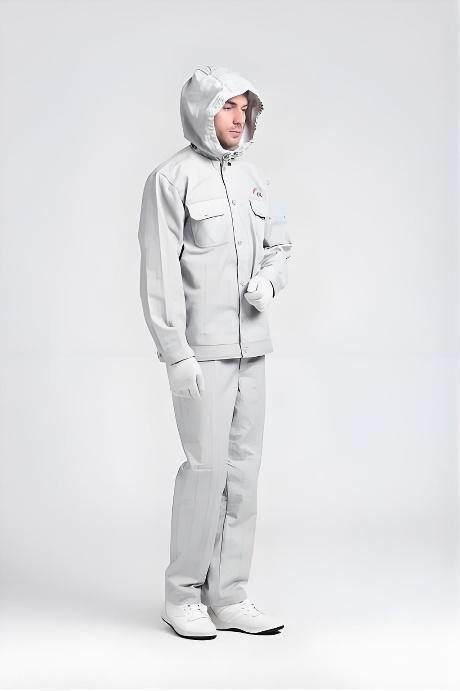
Basalt fiber shielding suits represent a mature, standards-aligned solution for the power industry’s live-line protective clothing needs. By uniting high shielding efficiency, certified thermal protection, and wearer-friendly comfort, they help utilities safeguard crews while controlling program cost. As electrification and grid reliability targets advance, basalt fiber based protective clothing will remain a strategic component of modern electrical-safety programs.