 中文
中文
Basalt Fiber Production: Sustainable Manufacturing of Continuous Filaments from Natural Volcanic Rock
Product Overview
Basalt fiber production represents one of the most resource-efficient pathways to high-performance inorganic reinforcement materials available to modern industry. Unlike synthetic polymer fibers or energy-intensive steel and glass alternatives, continuous basalt fiber is derived directly from a single natural feedstock—basalt rock—without the need for additive alloys or secondary raw materials. This simplicity of input is a decisive advantage for manufacturers seeking to reduce supply-chain complexity and carbon exposure across reinforced-composite programs.
The production of basalt fiber yields a continuous filament with a naturally balanced profile of mechanical strength, thermal stability, and chemical resistance. For B2B buyers, this translates into a versatile reinforcement that performs across construction, transportation, energy, and industrial equipment sectors. The ability to scale a single process into roving, mat, mesh, and chopped forms makes basalt fiber production strategically valuable for diversified product portfolios.
Technical Specifications
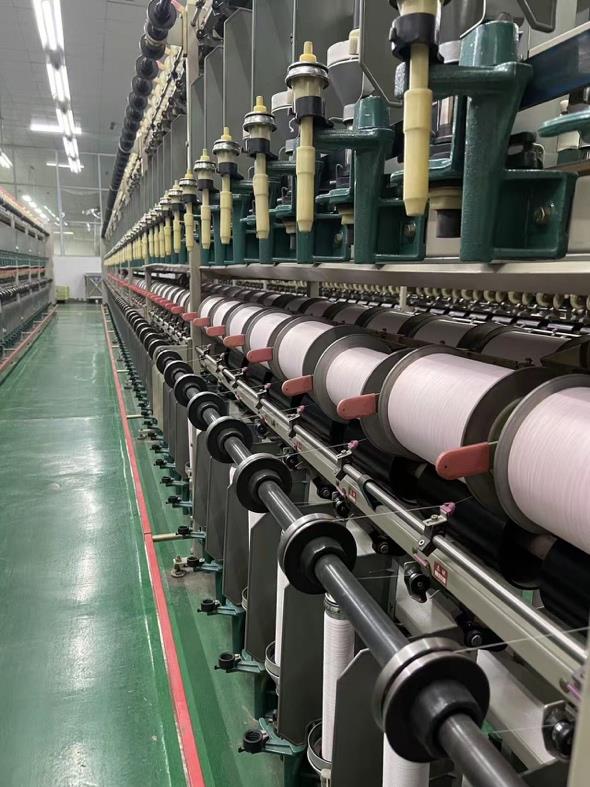
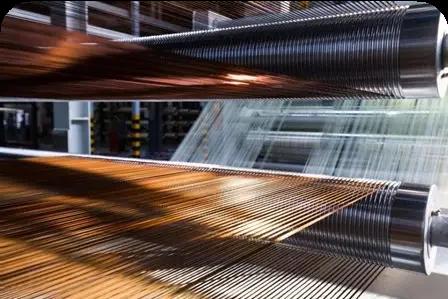
The basalt fiber production process converts quarried basalt into molten material that is then drawn into fine continuous filaments. The resulting fibers are characterized by a naturally high operating-temperature threshold, excellent dielectric behavior, and strong resistance to aggressive chemical environments. Process control governs filament diameter, tensile consistency, and surface suitability for downstream resin bonding, ensuring the produced basalt fiber meets the demands of structural and thermal composite applications.
Key Features & Advantages
•
•
• Single natural raw material with no alloying additives required
• Inherent thermal stability suited to high-temperature environments
• Strong chemical and corrosion resistance for harsh service conditions
• Excellent dielectric properties for electrical-insulation applications
• Favorable strength-to-weight ratio relative to traditional reinforcements
• Low environmental footprint from a naturally abundant feedstock
Application Scenarios
Basalt fiber production supports a broad spectrum of industrial use cases where durability and weight savings are critical. In construction, basalt reinforcement mesh and rebar substitute for steel in concrete, resisting corrosion in bridges, tunnels, and marine structures. In transportation, basalt composites reduce vehicle mass while maintaining stiffness for panels and interior structures. Wind-energy manufacturers apply basalt fabric in nacelle and blade components to extend service life under cyclic loads. Industrial equipment benefits from basalt linings and gaskets that withstand heat and chemical attack.
Fire protection and thermal insulation represent another fast-growing scenario, where basalt fiber mats shield structural elements in buildings, ships, and pipelines. The material’s non-combustible nature and dimensional stability make it suitable for passive fire-safety systems. Across these scenarios, the consistency delivered by disciplined basalt fiber production directly determines composite reliability in the field.
Industry Value & Conclusion
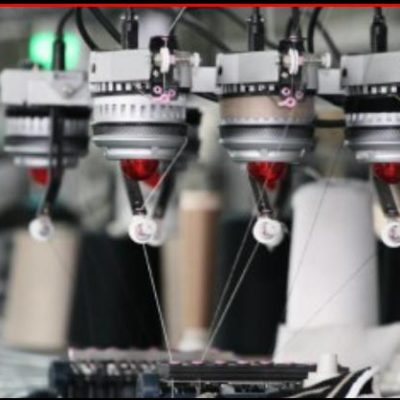
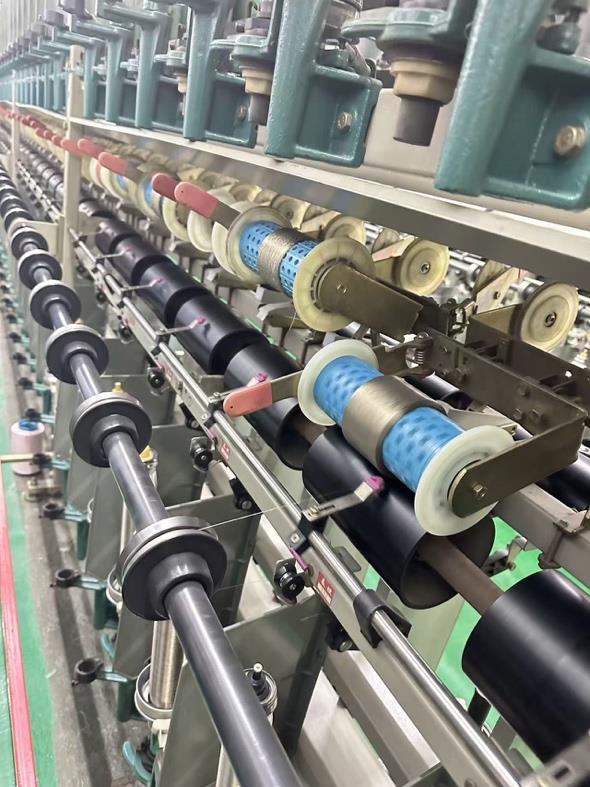
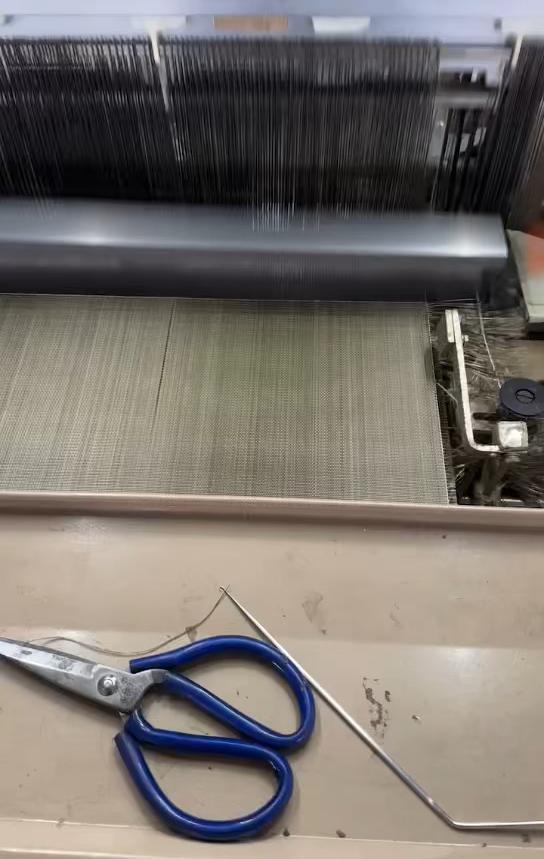
Basalt fiber production carries significant strategic value for industries pursuing sustainable, high-performance materials. By relying on an abundant natural rock and a streamlined melt-spinning route, manufacturers reduce dependency on scarce resources while delivering reinforcement that competes with glass and outperforms it in thermal and chemical contexts. The qualitative manufacturing sequence—crushing basalt, melting it in a furnace, and extruding the melt through bushing platinum dies into continuous filaments that are gathered and wound—enables stable, repeatable output at industrial scale.
As infrastructure, mobility, and energy sectors prioritize lighter, longer-lasting, and greener materials, disciplined basalt fiber production will remain central to next-generation composite supply. Its combination of natural sourcing, processing efficiency, and versatile performance secures a durable role in the industrial materials landscape.