 中文
中文Basalt Fiber Photovoltaic Module Bracket: Lightweight Pultruded Composite Replacement for Steel Supports
Product Overview
The basalt fiber pultrusion photovoltaic bracket is made of basalt fiber roving and matrix resin
(Epoxy, vinyl, unsaturated, polyurethane,…etc).
It is formed through pultrusion and curing.
It is mainly used as a substitute for steel supports.
Basalt Composite Material
The basalt photovoltaic module bracket represents a purpose-engineered structural component for solar mounting systems, built from continuous basalt fiber roving impregnated with a thermoset matrix resin and shaped by the pultrusion process. By drawing the reinforced profile continuously through a heated die, the bracket achieves a uniform, void-free cross-section with consistent fiber orientation along its length—qualities that directly benefit the stiffness and dimensional control required of a module support. As a non-metallic alternative positioned to replace steel supports, the product answers a clear industry need for lighter, corrosion-resistant racking that lowers balance-of-system cost and extends service life in aggressive environments. The choice of matrix resin—spanning epoxy, vinyl ester, unsaturated polyester, and polyurethane systems—lets specifiers tune toughness, chemical resistance, and processing speed without changing the basalt reinforcement itself.
In utility-scale and distributed solar projects alike, mounting hardware is increasingly judged not only on first cost but on lifetime maintenance and recyclability. A basalt composite bracket sourced from abundant natural volcanic rock fits that trend, offering a greener material route than steel production while avoiding the galvanizing and repainting cycles typical of metal supports. The pultruded format also supports long, uninterrupted spans that simplify array layout and reduce the number of mechanical joints in the field. For EPCs and plant owners, the bracket therefore reads as a practical, sustainable upgrade path rather than an experimental material substitution, pairing familiar installation methods with a modern composite structure.
Technical Specifications
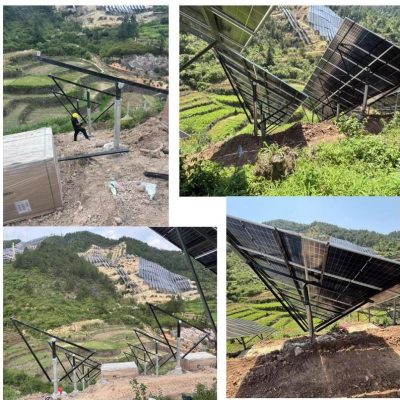
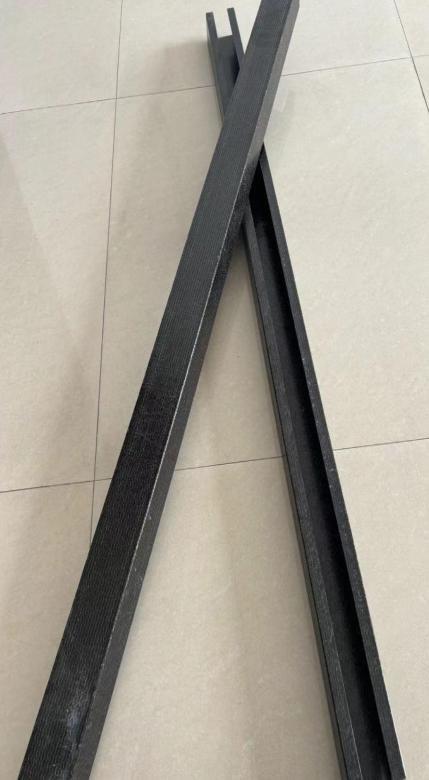
This page defines the bracket through its material composition and forming process rather than through tabulated numeric parameters. The defining specification is a pultruded profile produced from basalt fiber roving and a selected matrix resin, consolidated by curing into a single rigid section intended to substitute for steel supports. The image below illustrates the bracket form and surface finish typical of the pultruded composite construction.
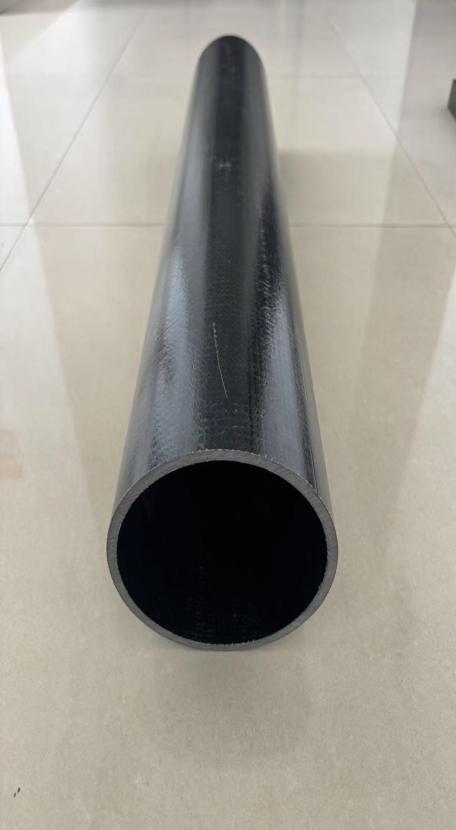
Because the product is supplied as a continuous composite section, geometry and resin grade are configurable to project requirements, allowing the same basalt reinforcement to serve varied mounting spans and load cases while preserving the intrinsic benefits of the natural-fiber composite.
Key Features & Advantages
• Manufactured from continuous basalt fiber roving combined with a thermoset matrix resin system.
• Multiple resin options—including epoxy, vinyl, unsaturated, and polyurethane—support tailored properties.
• Continuous pultrusion and curing yield a dimensionally stable, single-piece profile.
• Designed as a direct substitute for conventional steel support structures.
• Basalt composite construction offers a corrosion-resistant, non-metallic alternative.
• Natural basalt origin supports a greener, lower-impact material choice.
Application Scenarios
As a substitute for steel supports, the basalt fiber photovoltaic bracket suits any ground-mounted or elevated solar array where weight, corrosion, and lifetime cost drive specification. Utility-scale plants benefit from the lighter profile during transport and lifting, while rooftop and carport installations gain a non-conductive, non-rusting structure that protects roofing membranes and simplifies grounding strategy. Coastal, port, and saline-alkali sites are especially well served, since a non-metallic basalt composite avoids the chloride attack that shortens steel racking life. The bracket also fits agrivoltaic and floating solar frameworks, where humidity and biological exposure demand durable, low-maintenance supports. Its pultruded form adapts to fixed-tilt and seasonal-adjustable mounting, giving developers a versatile, sustainable racking foundation.
Industry Value & Conclusion
The basalt fiber photovoltaic module bracket demonstrates how a natural volcanic-fiber composite can replace steel in everyday solar infrastructure without compromising function. By uniting continuous basalt roving with a configurable resin matrix through pultrusion, the product delivers a consistent, corrosion-resistant, and environmentally friendlier support that reduces maintenance burden across the plant lifetime. For the renewables sector, adopting basalt composite racking supports both cost discipline and sustainability goals, while giving manufacturers a scalable, process-friendly route to high-volume green structures. As solar deployments expand into harsher climates, the bracket stands out as a pragmatic, future-ready building block of low-carbon energy hardware.