 中文
中文Basalt Fiber Fire Clothing Solution for Extreme Environment Thermal Protection Applications
Product Overview
Protection Against Extreme
Environments
Fire Clothing Solution
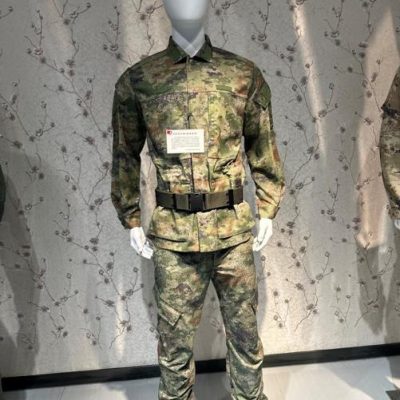
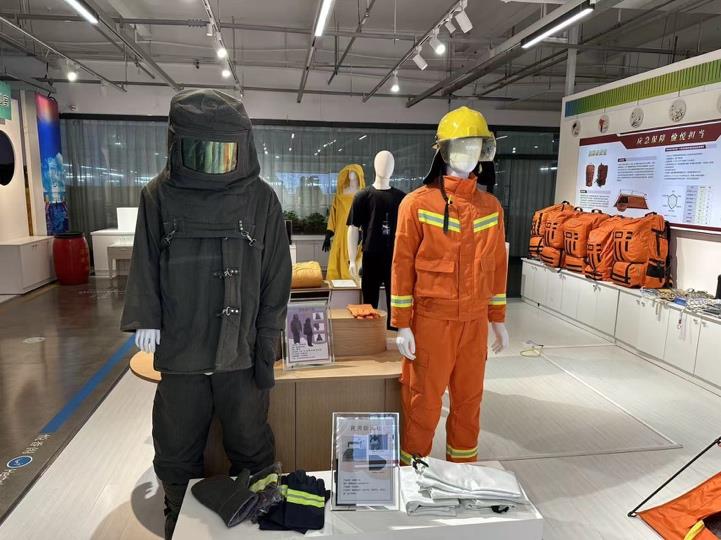
The firefighting clothing woven from basalt fiber fabric possesses characteristics such as fire resistance, heat insulation, wear resistance, folding resistance, flame retardancy, anti-radiant heat, and long lifespan, with an anti-radiant heat temperature reaching up to 1000℃.
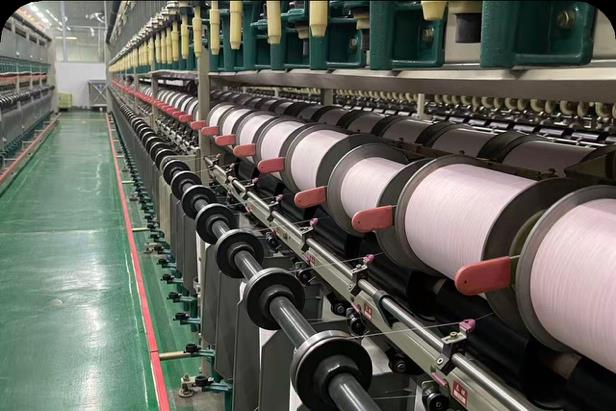
Basalt fiber fire clothing is built from woven basalt fabric, a mineral textile that remains stable when exposed to intense heat and open flame. Unlike organic protective textiles, the basalt base does not ignite, melt, or emit toxic smoke, giving responders a dependable barrier in firefighting, industrial, and rescue operations. The fabric’s balanced hand-feel allows garments to be tailored for mobility without sacrificing protective coverage, and its resistance to repeated folding and abrasion supports daily field use. Combined with appropriate liners and finishes, the clothing forms a multi-layer system that manages radiant and convective heat while remaining lightweight enough to reduce wearer fatigue. For procurement teams, the long service life and low maintenance burden of basalt-based protective apparel translate into lower total cost of ownership compared with frequent replacement of conventional suits. The solution is suited to structural firefighting, petrochemical plant response, metal and glass industry work, and any scenario where personnel face extreme thermal and radiant-load conditions. By integrating basalt fiber fabric into certified protective designs, manufacturers deliver gear that meets the operational reality of modern emergency and industrial environments.

Technical Specifications
The fire clothing solution is constructed from basalt fiber fabric and is defined by its non-combustible mineral composition and high-temperature stability. The garment system is engineered around the fabric’s inherent resistance to flame and radiant heat, with the outer basalt layer providing the primary thermal shield. Performance is validated through protective-clothing test protocols covering flame spread, heat transfer, and mechanical durability. The basalt fabric outer shell is combined with compatible thermal and moisture-management liners to achieve certified protection levels while preserving wearer comfort. Selection is guided by required exposure temperature, radiant-load rating, and garment standard, with the basalt layer rated for anti-radiant heat service up to the stated temperature limit. Refer to the specific garment data sheet for certified standards, liner configuration, and size range applicable to each protective clothing model.
Key Features & Advantages
Performance advantages:
※ With high waterproof performance, it can effectively reduce the load on firefighters
※ With excellent flexibility, it can be made into soft, body-fitting textile materials, enhancing rescue efficiency.
※ Maintain stable performance in high-temperature environments, with high levels of anti-radiation heat
• Non-combustible basalt shell that does not melt or release toxic smoke under flame exposure.
• Long service life and folding resistance that lower replacement frequency and total cost.
• Lightweight mineral construction that helps reduce wearer fatigue during extended operations.
Application Scenarios
The firefighting clothing woven from basalt fiber fabric possesses characteristics such as fire resistance, heat insulation, wear resistance, folding resistance, flame retardancy, anti-radiant heat, and long lifespan, with an anti-radiant heat temperature reaching up to 1000℃.
This protective solution is deployed wherever personnel encounter extreme heat, flame, or radiant load. Structural firefighting crews rely on the clothing for interior attack and overhaul, where sustained radiant exposure and hot-surface contact are routine. In the petrochemical and energy sectors, response teams use basalt-based suits during flare, refinery, and turbine incidents that demand reliable high-temperature shielding. Metalworking, foundry, glass, and welding operations benefit from the fabric’s resistance to sparks, molten splash, and folding fatigue during continuous shifts. Rescue services adopt the flexible, body-fitting textile to maintain mobility in confined-space and technical-rescue scenarios, improving efficiency without compromising safety. Military and aviation ground crews apply the clothing for proximity and crash-response duties. Because the basalt shell withstands up to 1000℃ radiant heat while staying lightweight, it extends safe working time in lethal thermal environments and supports compliance with protective-clothing requirements across industries that operate at the edge of material tolerance.
Industry Value & Conclusion
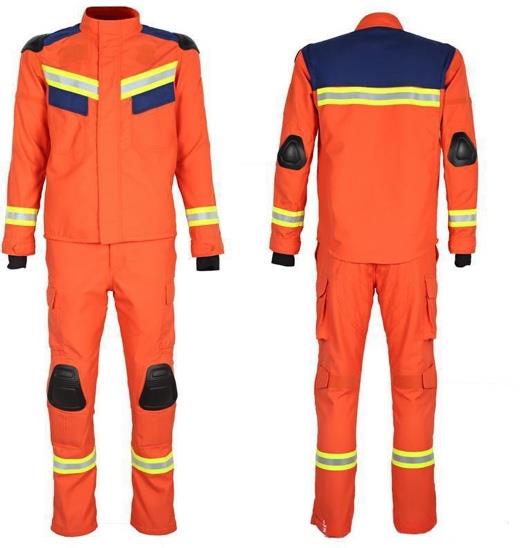
Basalt fiber fire clothing delivers decisive value to emergency and industrial safety programs by pairing proven thermal protection with wearer-centered comfort and durability. The non-combustible, long-life basalt shell reduces replacement cycles and training downtime, while its flexibility raises operational efficiency during rescues. For fire services, plant operators, and PPE suppliers, the solution strengthens workforce safety under extreme conditions and supports a lower total cost of ownership across the protective garment fleet.