 中文
中文Basalt Fiber Twisted Yarn Specifications and Technical Indicators for Industrial Composite Applications
Product Overview
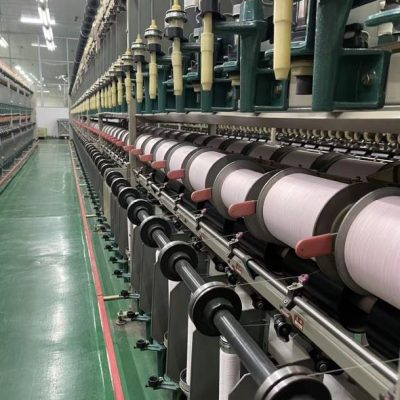
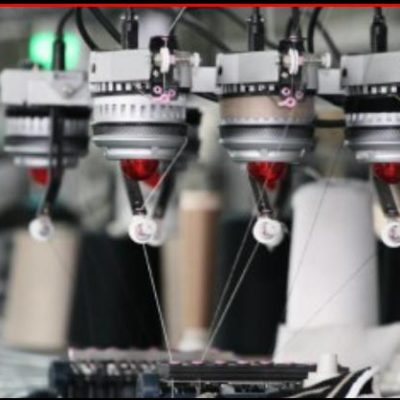
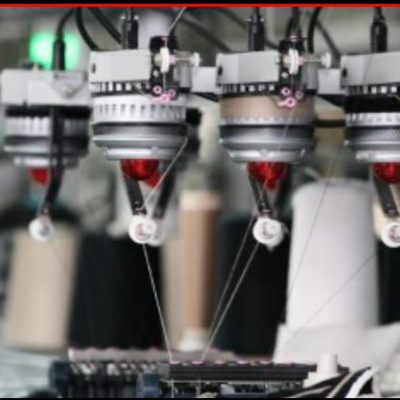
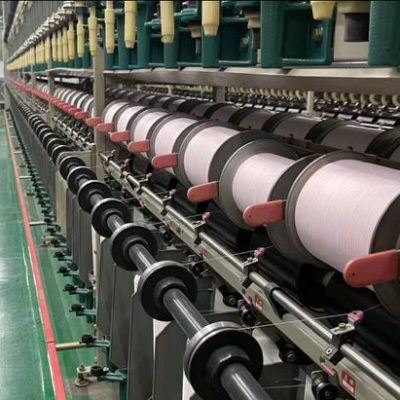
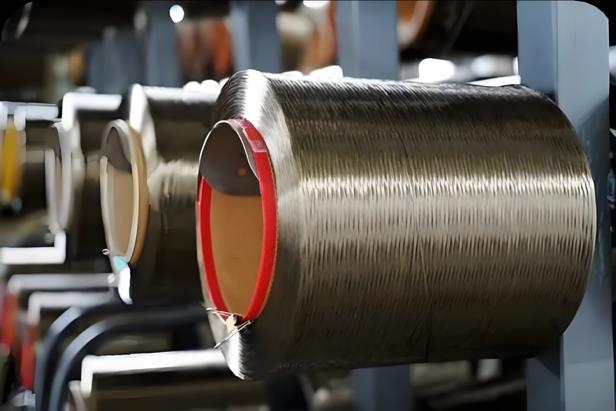
Basalt fiber has twisted yarn, which is formed by plying continuous basalt fiber precursor with a single filament diameter of less than 9um under a twisted state.
Basalt Fiber Twisted Yarn
Basalt fiber has technical indicators for twisted yarn
Basalt fiber twisted yarn is produced by twisting and plying continuous basalt filament strands into a coherent, handleable yarn that retains the inherent strength and thermal stability of the parent fiber. The fine sub-9-micron filament diameter yields a soft, process-friendly yarn suitable for weaving, knitting, braiding, and sewing operations without excessive filament breakage. Because the yarn originates from a single mineral feedstock, it offers uniform chemistry and consistent performance from lot to lot, which is critical for quality-controlled composite and textile production. Twisted construction improves abrasion resistance during processing and provides the cohesion needed for high-speed textile machinery, while the natural basalt composition delivers non-combustibility and chemical inertness. Manufacturers value the yarn as a reinforcement input for fabrics, sleeves, and ropes, and as a sewing thread for joining high-temperature textiles. Its compatibility with standard sizing and finishing treatments allows tailoring to specific resin or coating systems. By combining dimensional consistency with robust mechanical and thermal properties, basalt fiber twisted yarn supports reliable scale-up from sample development to continuous industrial output, helping fabricators reduce scrap and maintain tight tolerances across demanding end-use environments.

Technical Specifications
| project | unit | technical indicators | detection method |
|---|---|---|---|
| Linear density | g/km | 150D,16.5±8% | GB/T 7690.1 |
| 200D,22±8% | |||
| 300D,33±8% | |||
| breaking strength | N/Tex | ≥0.65 | GB/T 7690.3 |
| water content | % | ≤0.2 | GB/T 9914.1 |
| Combustible content | % | 0.6-1.2 | GB/T 9914.2 |
Key Features & Advantages
• Formed from continuous basalt precursor for uniform filament quality and consistent processing.
• Sub-9um filament diameter provides a soft, textile-friendly yarn with reduced processing breakage.
• Twisted structure improves cohesion and abrasion resistance on high-speed weaving and braiding lines.
• Inherently non-combustible and chemically inert, supporting safe use in aggressive environments.
• Compatible with standard sizings and finishes for tailored resin or coating integration.
Application Scenarios
Basalt fiber twisted yarn is engineered for downstream conversion into high-performance textiles and reinforcements across several industries. In composite manufacturing, it is woven or knitted into fabrics and multiaxial reinforcements for pipes, tanks, and structural profiles where corrosion resistance and stiffness are required. In the thermal and protective sector, the yarn is braided into sleeves and ropes and used as sewing thread for welding blankets, furnace curtains, and expansion joints that must survive sustained heat. The construction and infrastructure market employs it within strengthening systems and anti-corrosion wraps for concrete and steel. Marine and transportation fabricators use the yarn to produce lightweight, durable components that resist moisture and chemicals. Because the product is available across multiple linear-density grades, specifiers can match yarn count to fabric weight and mechanical targets without reformulating the base material. This flexibility makes basalt fiber twisted yarn a practical, single-source reinforcement for OEMs and textile converters seeking predictable quality, simplified sourcing, and reliable performance from prototype through full-scale production runs.
Industry Value & Conclusion
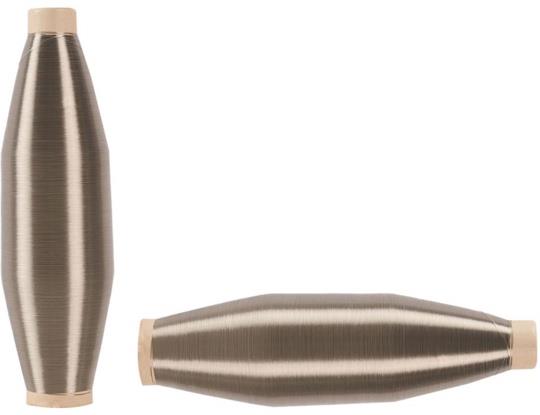
Basalt Fiber Products
Basalt fiber twisted yarn delivers clear industrial value by unifying strength, thermal stability, and processability in a single mineral-based input. Standardized testing to national methods gives buyers confidence in incoming quality, while the multiple linear-density options reduce the need for bespoke development. For composite fabricators, textile converters, and infrastructure specialists, the yarn lowers lifecycle cost through durability and scrap reduction, supporting more sustainable, high-performance products across demanding markets.