 中文
中文Basalt Fiber Mat Applications in Ships, New Energy Batteries and Automotive Interiors
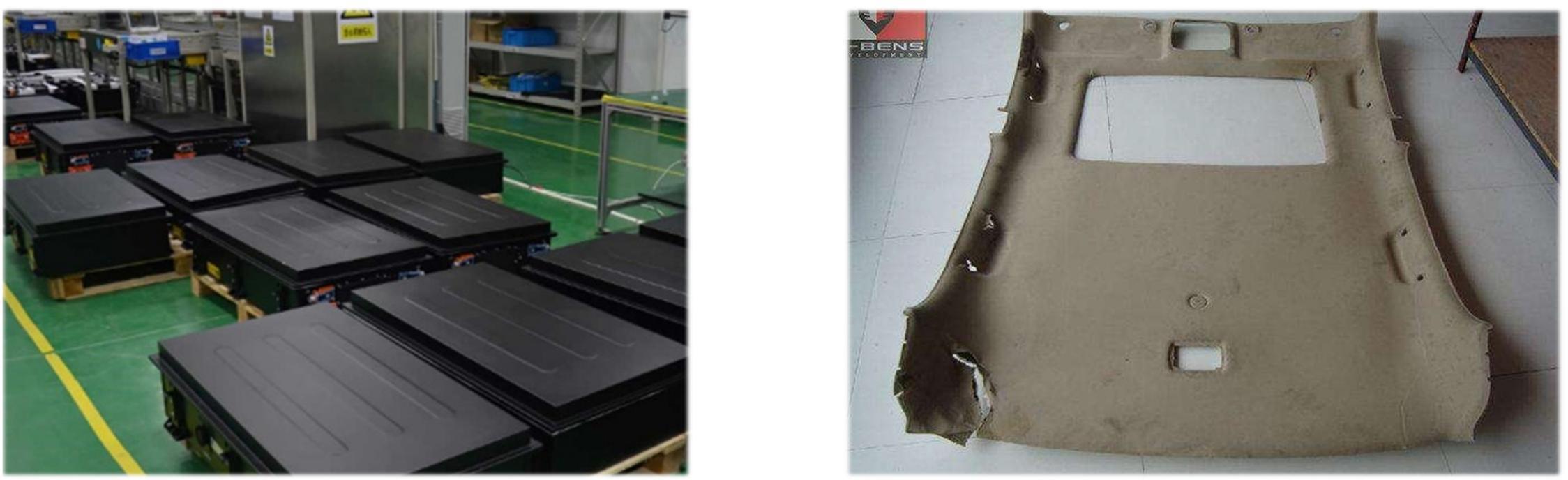
Product Overview
Application of Basalt Fiber Mat
Basalt fiber mat is a non-woven basalt reinforcement whose balanced combination of mechanical strength, thermal stability, and chemical inertness makes it a practical choice for demanding industrial environments. Because the mat is produced from naturally occurring basalt rock through needling, binder compounding, or wet papermaking, it delivers consistent performance without the variability often seen in organic or recycled fillers. Engineers value the material for its ability to reinforce lightweight structures while simultaneously contributing insulation and fire-safe behavior. The mat integrates cleanly with polyester, vinyl ester, and epoxy systems, which allows it to be adopted across both conventional and automated composite processes. From a commercial standpoint, basalt fiber mat helps manufacturers meet stricter fire, smoke, and toxicity requirements while keeping component weight under control. Its mineral origin also supports corporate sustainability programs that prioritize lower embodied energy and reduced reliance on fully synthetic materials. As a result, the mat has moved from a niche reinforcement into a mainstream option for sectors where reliability, safety, and total cost of ownership are evaluated together rather than in isolation.
Technical Specifications

This page summarizes the application scope of basalt fiber mat. Dimensional and grade parameters such as thickness, area density, and width are defined on the Basalt Fiber Mat product page; the present page focuses on where and how the material is deployed in finished systems. Selection of needle felt, chopped strand mat, or surfacing mat depends on whether the priority is structural reinforcement, rapid resin wet-out, or a smooth decorative surface, and all three variants share the same underlying basalt chemistry.
Basalt Fiber Products
Key Features & Advantages
• Enables lightweight reinforcement in marine structures without galvanic corrosion.
• Provides a low-smoke, non-combustible layer suited to enclosed passenger spaces.
• Contributes thermal-barrier performance for energy storage and battery enclosures.
• Damps vibration and improves acoustic comfort in automotive interior components.
• Resists moisture, salt spray, and common industrial chemicals in service.
• Compatible with hand lay-up, press molding, and continuous composite lines.
• Supports sustainability targets through naturally derived mineral content.
Application Scenarios
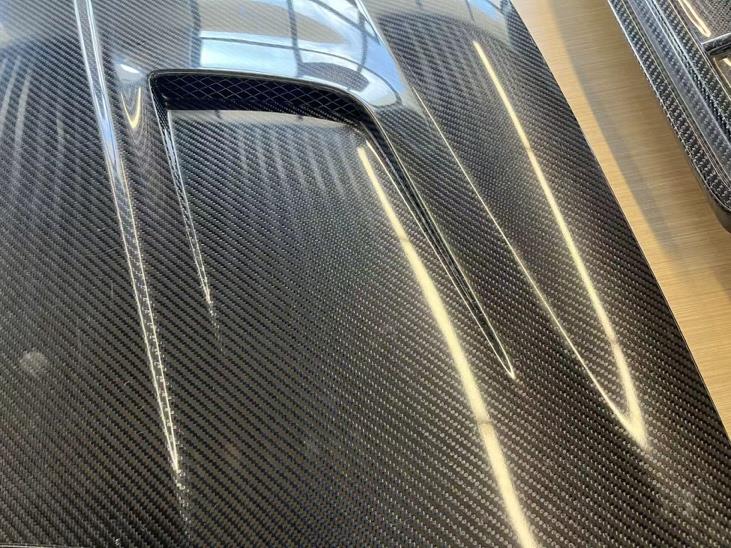
Used in fields such as ships, new energy batteries, automotive interior components, etc.
In shipbuilding, basalt fiber mat is laminated into hulls, decks, and bulkheads where it raises impact resistance and limits weight growth, while its resistance to salt-laden atmospheres reduces long-term maintenance. Within new energy batteries, the mat is positioned as an inter-cell and enclosure insulation layer that helps slow heat propagation and protects adjacent modules during thermal events. In automotive interior components, it acts as a backing, damping, and acoustic layer for door panels, headliners, and parcel shelves, improving perceived quality without adding metallic mass. Beyond these core fields, the mat is applied in building panels, roofing, and pipeline wrap where corrosion resistance and fire performance are specified. Because the material conforms to complex shapes, it suits both manual and automated production, and specifiers can choose the mat variant that best matches the process and the performance target. This breadth of use demonstrates why basalt fiber mat is increasingly specified as a single, multipurpose reinforcement across transport, energy, and construction programs where safety and durability are evaluated together.
Industry Value & Conclusion
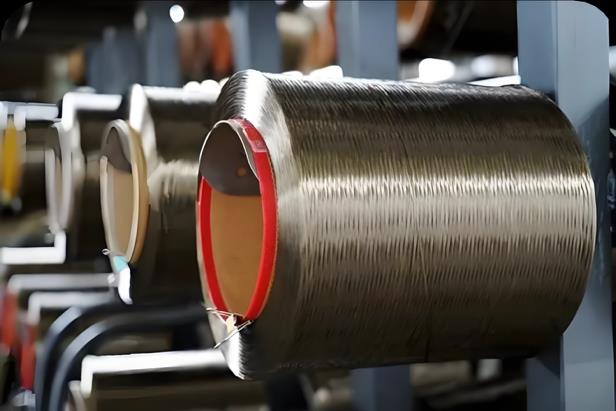
The expanding application of basalt fiber mat across ships, new energy batteries, and automotive interior components illustrates a broader move toward mineral-based reinforcements that satisfy safety, weight, and sustainability requirements at once. By consolidating reinforcement, insulation, and fire-safe behavior into a single material, manufacturers simplify bills of material and reduce reliance on multiple specialist layers. For B2B buyers, this translates into lower lifecycle cost, easier qualification, and a cleaner path to regulatory compliance in transport and energy markets. As electrification and lightweighting accelerate, basalt fiber mat is well positioned to remain a preferred specification wherever dependable, low-smoke, corrosion-resistant performance is required. Its natural origin further strengthens the case for programs with explicit environmental objectives, making it a strategic choice rather than a mere commodity input.