 中文
中文Basalt Fiber Roving: Technical Indicators for Composite and Reinforcement Applications
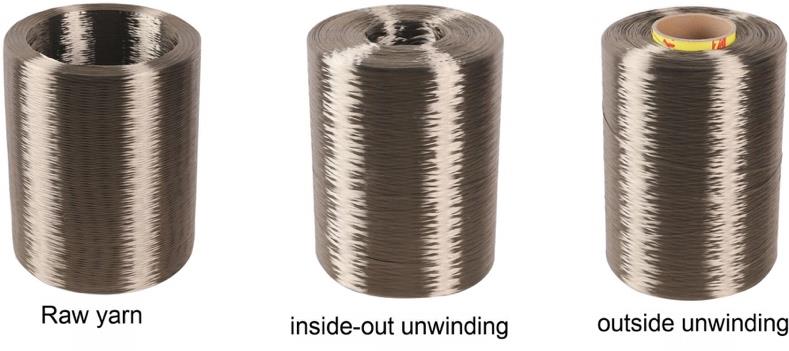
Product Overview
Basalt Fiber Roving
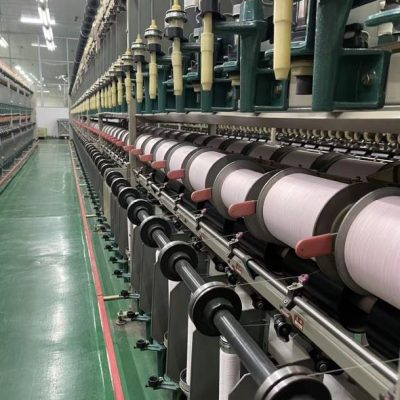
Basalt fiber roving is a basalt fiber product made by combining single-strand or multi-strand…
Technical indicators of basalt fiber rovin g
Single filament diameter (um)
9-22
Applicable resin
purpose
Linear density (g/km)
33-9600
Epoxy, polyester, etc
Entwining, weaving
Type of infiltrant
Textile/Reinforcement
Combustible content (%)
0.7±0.3
Moisture content (%)
≤0.2%
PE, PA, phenolic, etc
Chopped strand, SMC,
BMC, DMC
Dry yarn
Breaking strength
(H/tex)
0.4±0.1
Rubber-impregnated yarn
Tensile strength (MPa)
≥2000
Vinyl ester resin,
epoxy, unsaturated
polyester
Wound and composite
reinforcement
Elastic modulus (GPa)
≥80
Elongation at break (%)
≥3.1
Basalt Fiber Products
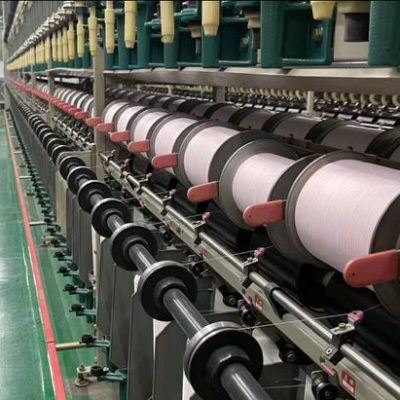
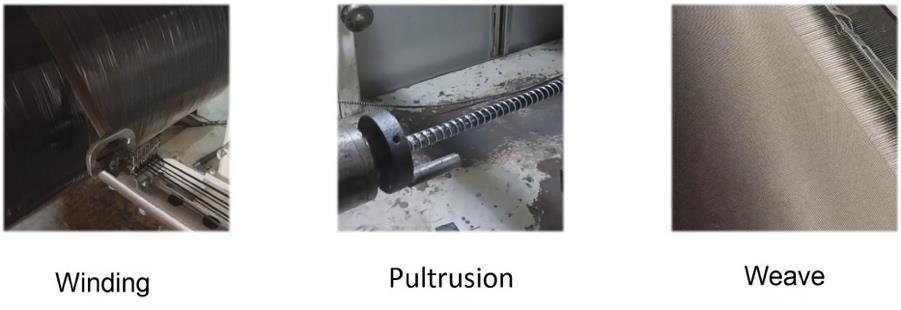
Basalt fiber roving is a continuous, untwisted or lightly assembled bundle of filaments that serves as a primary reinforcement feedstock for composite manufacturing. By combining single-strand or multi-strand configurations, roving delivers the high linear integrity and controlled tension needed for automated processes such as filament winding, pultrusion, and weaving. Its broad linear density range allows the same material family to serve both fine technical fabrics and heavy structural preforms, giving converters significant formulation flexibility.
Inherent to its volcanic-rock origin, basalt roving provides exceptional thermal stability, alkali resistance, and chemical inertness that outperform many conventional glass reinforcements in aggressive service environments. The stable infiltrant system supports reliable wet-out across epoxy, polyester, vinyl ester, and phenolic resin families, while the low moisture and combustible content contribute to predictable processing and improved fire-performance composites. These qualitative advantages make roving a dependable backbone for durable, long-life composite structures.
Technical Specifications
Technical indicators of basalt fiber roving:
| Parameter | Value | Applicable Resin | Purpose |
|---|---|---|---|
| Single filament diameter (um) | 9-22 | — | — |
| Linear density (g/km) | 33-9600 | Epoxy, polyester, etc | Entwining, weaving |
| Type of infiltrant | Textile/Reinforcement | — | — |
| Combustible content (%) | 0.7±0.3 | — | — |
| Moisture content (%) | ≤0.2% | PE, PA, phenolic, etc | Chopped strand, SMC, BMC, DMC |
| Dry yarn — Breaking strength (H/tex) | 0.4±0.1 | — | — |
| Rubber-impregnated yarn — Tensile strength (MPa) | ≥2000 | Vinyl ester resin, epoxy, unsaturated polyester | Wound and composite reinforcement |
| Elastic modulus (GPa) | ≥80 | — | — |
| Elongation at break (%) | ≥3.1 | — | — |
Key Features & Advantages
- • Continuous roving form enables direct processing on filament winding, pultrusion, and weaving lines.
- • Broad linear density range supports both fine technical fabrics and heavy structural preforms.
- • Compatible with epoxy, polyester, vinyl ester, and phenolic resin families for versatile bonding.
- • Naturally volcanic origin delivers inherent heat resistance and alkali durability for long service life.
- • Inherently low combustible loading contributes to safer processing and improved fire-performance composites.
- • Suitable for chopped strand, SMC/BMC molding, and filament-wound composite reinforcement.
Application Scenarios
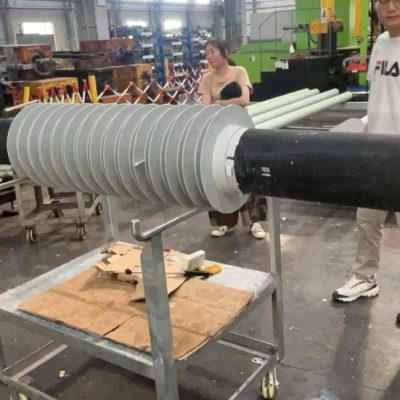
Basalt fiber roving serves as a primary reinforcement feedstock across a wide spectrum of composite manufacturing routes. In filament winding, roving is applied to produce pressure vessels, chemical storage tanks, and pipe systems where continuous high-strength reinforcement around a rotating mandrel is essential. The material’s compatibility with vinyl ester and epoxy resins makes it well suited to corrosive-fluid handling infrastructure that demands both strength and chemical resilience under sustained service.
In pultrusion and weaving processes, roving forms the backbone of structural profiles and technical fabrics used in construction, transportation, and energy sectors. Chopped-strand and SMC/BMC grades derived from roving enable compression-molded components with consistent mechanical properties and dimensional precision. Across these scenarios, the roving’s stable infiltrant system and controlled moisture content help ensure reliable wet-out and adhesion, reducing defect rates and supporting repeatable, high-quality composite production at industrial scale.

Industry Value & Conclusion
Basalt fiber roving stands as a versatile, sustainable reinforcement platform that connects natural-origin fiber performance with the throughput demands of modern composite production. Its adaptability across winding, pultrusion, weaving, and molding processes allows manufacturers to consolidate supply chains around a single, high-performance material. As infrastructure renewal, lightweighting, and low-carbon mandates accelerate globally, basalt roving offers a technically robust and environmentally responsible path to durable composites in construction, energy, transportation, and industrial equipment markets.