 中文
中文Basalt Fiber Twisted Yarn Fabrics: Plain, Twill and Satin Weave Applications
Product Overview
Basalt Fiber Twisted Yarn Applications
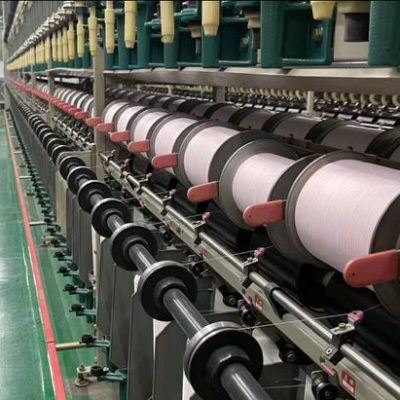
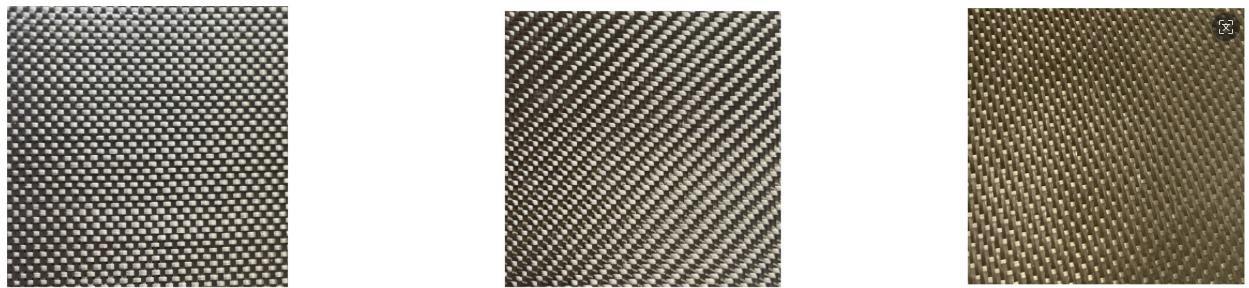
It can be used as yarn for various fabrics such as plain weave, twill weave, satin weave, etc
Basalt fiber fabric
Plain weave fabric
Twill weave fabric
Satin weave fabric
Basalt Fiber Products
Basalt fiber fabric produced from twisted yarn extends the utility of the roving and yarn forms into finished two-dimensional reinforcement structures. By selecting a specific weave architecture, converters and end-users can tune the balance between strength distribution, surface quality, drape, and resin permeability to match the demands of a given composite process. The three foundational weave styles — plain, twill, and satin — each offer distinct handling and performance characteristics that make basalt fabric a versatile substrate across industrial textile and composite applications.
Because the base yarn is derived from naturally occurring volcanic basalt, the resulting fabrics inherit the same intrinsic advantages of heat resistance, alkali durability, and low environmental footprint that define the broader basalt fiber family. These properties position basalt woven fabrics as a compelling alternative to glass or aramid cloth in scenarios where long service life, fire safety, and chemical resilience are prioritized. The fabrics integrate readily with common thermoset and thermoplastic resin systems, supporting both hand lay-up and automated composite manufacturing routes.
From a supply-chain perspective, basalt fabric offers specifiers a single reinforcement category capable of serving multiple weave requirements, simplifying inventory and quality control while maintaining consistent fiber-origin traceability. This flexibility is particularly valuable for fabricators serving diverse sectors such as construction strengthening, thermal insulation, transportation, and protective equipment, where one material platform can address several performance briefs.
Technical Specifications
This product family is defined by its woven fabric constructions. The basalt fiber fabric range comprises the following weave categories:
| Fabric Construction | Qualitative Characteristic |
|---|---|
| Plain weave fabric | Maximum structural stability with balanced bidirectional strength |
| Twill weave fabric | Enhanced drape and conformability to curved surfaces |
| Satin weave fabric | High fiber density with smooth surface for cosmetic skins |
Key Features & Advantages
- • Plain weave offers maximum structural stability and balanced bidirectional strength for general reinforcement.
- • Twill weave provides enhanced drape and conformability to complex curved surfaces.
- • Satin weave yields high fiber density and a smooth surface for cosmetic composite skins.
- • Basalt fabric combines inherent heat resistance with alkali durability for extended service life.
- • Compatible with epoxy, polyester, and vinyl ester resin systems for versatile processing.
- • Naturally low-flammability supports fire-safe textile and insulation assemblies.
Application Scenarios
It can be used as yarn for various fabrics such as plain weave, twill weave, satin weave, etc, and these woven constructions translate directly into finished basalt fiber fabrics suited to a wide range of end uses. Plain weave fabric is favored for structural reinforcement and general-purpose composites where dimensional stability and balanced strength are paramount. Twill weave fabric is commonly selected for applications requiring conformity to contoured molds, such as curved panels and protective components. Satin weave fabric is preferred where a smooth, fiber-rich surface finish is desired for visible composite skins and lightweight aerodynamic parts.
Across these weave types, basalt fabric finds deployment in building and bridge strengthening, high-temperature insulation blankets, filtration media, and transportation interiors where fire safety is regulated. The material’s resistance to alkaline attack makes it especially effective in cementitious and concrete-adjacent environments, while its thermal resilience supports use in proximity to heat sources. By aligning weave selection with the mechanical and aesthetic demands of each project, engineers can optimize material usage and performance without changing the underlying reinforcement chemistry.
Industry Value & Conclusion
Basalt fiber twisted yarn fabrics deliver a versatile, sustainable reinforcement platform that unifies the strengths of natural-origin fibers with the process flexibility demanded by modern composite manufacturing. The availability of plain, twill, and satin weave constructions allows a single material family to satisfy divergent performance and aesthetic requirements, reducing specification complexity for fabricators. As industries continue to prioritize durability, fire safety, and lower lifecycle environmental impact, basalt woven fabrics are well positioned to expand their role in construction, energy, transportation, and protective-textile markets worldwide.