 中文
中文Basalt Fiber Twisted Yarn: Technical Indicators and Industrial Weaving Applications
Product Overview
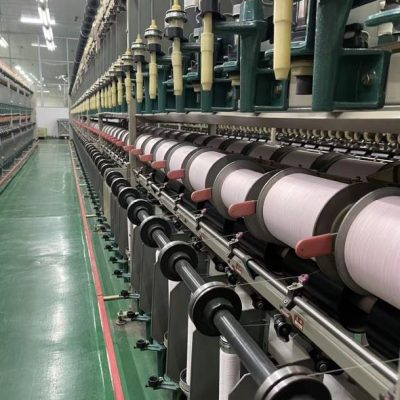
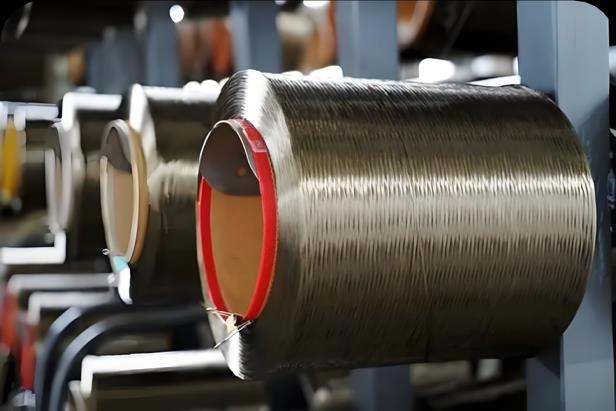
Basalt fiber twisted yarn is a yarn made by twisting and
plying one or more basalt fiber filaments.
The diameter of a single filament is generally less than
13μm.
Twisted yarn can generally be divided into weaving yarn
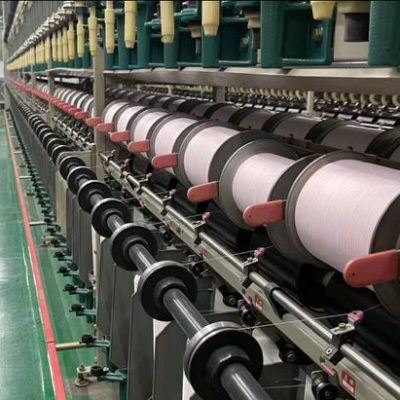
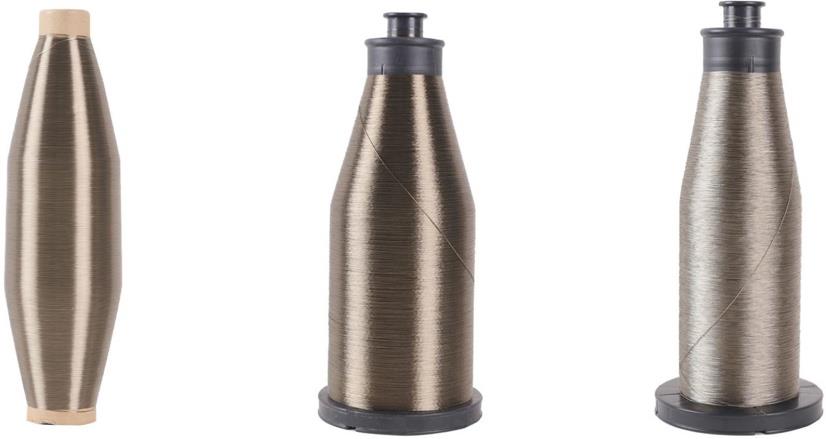
and other industrial yarn; weaving yarn mainly consists
of tube yarn and bottle-shaped bobbin yarn.
Basalt Fiber Twisted Yarn
Main technical indicators of twisted basalt fiber yarn
Single filament diameter (um)
16
Line density (g/km)
11-800
twist
16-300
Type of infiltrant
Textile/Reinforcement
Oil content (%)
0.7±0.3
Moisture content (%)
≤0.2%
Dry yarn
Breaking strength (H/tex)
≥0.5
Impregnated yarn
Tensile strength (MPa)
≥2500
Elastic modulus (GPa)
≥80
Elongation at break (%)
≥2.0
Basalt Fiber Products
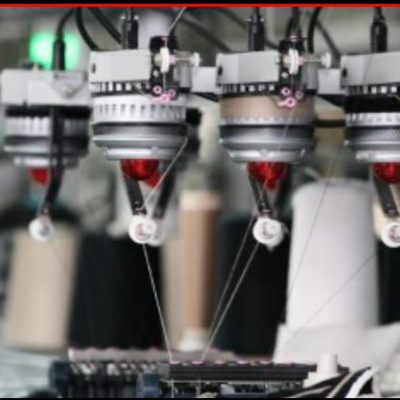
Basalt fiber twisted yarn represents a foundational intermediate product within the basalt fiber value chain, bridging continuous filament production and downstream woven or composite manufacturing. The twisting and plying process imparts structural cohesion to the fine filaments, enabling the yarn to withstand the tension and abrasion encountered during high-speed weaving and industrial processing. By consolidating individual filaments into a stable, handleable form, twisted yarn ensures consistent feed behavior on looms and braiding equipment, which is essential for achieving uniform fabric quality across long production runs.
From a material-property perspective, basalt fiber inherits outstanding thermal stability, alkali resistance, and chemical inertness from its volcanic-rock origin. These intrinsic characteristics make twisted yarn especially suitable for environments where conventional glass or organic fibers would degrade. The naturally low combustibility and stable dielectric behavior further expand its relevance across electrical insulation and passive fire-protection applications, where long-term reliability under thermal cycling is required.
Compared with untwisted rovings or loose tow, twisted yarn offers superior dimensional stability and reduced fraying at cut edges, simplifying handling on the production floor and minimizing material waste. Its compatibility with standard textile sizing systems allows it to be integrated into existing weaving infrastructure without dedicated retrofitting, lowering the barrier for manufacturers transitioning from glass or aramid yarns. This drop-in flexibility accelerates adoption while protecting prior equipment investments.
In practical deployment, weaving yarn grades are typically supplied on tube or bottle-shaped bobbins tailored to the customer’s loom configuration, supporting plain, twill, and satin fabric constructions used in thermal insulation blankets, filtration media, and reinforcement meshes. Other industrial yarn grades serve braiding, sewing thread, and rope applications where high tenacity and heat resistance are prioritized over fabric drape. As industries pursue lighter, longer-lasting, and more sustainable material systems, basalt twisted yarn offers a compelling balance of performance and cost, positioning it as a strategic input for next-generation composites and technical textiles.
Technical Specifications
Main technical indicators of twisted basalt fiber yarn:
| Parameter | Value |
|---|---|
| Single filament diameter (um) | 16 |
| Line density (g/km) | 11-800 |
| twist | 16-300 |
| Type of infiltrant | Textile/Reinforcement |
| Oil content (%) | 0.7±0.3 |
| Moisture content (%) | ≤0.2% |
| Dry yarn — Breaking strength (H/tex) | ≥0.5 |
| Impregnated yarn — Tensile strength (MPa) | ≥2500 |
| Elastic modulus (GPa) | ≥80 |
| Elongation at break (%) | ≥2.0 |
Key Features & Advantages
- • Naturally derived volcanic-origin fibers deliver inherent thermal stability and alkali resistance for harsh-service environments.
- • Twisting and plying consolidate fine filaments into a cohesive, low-fray structure that improves loom feed consistency.
- • Compatible with conventional textile sizing, enabling drop-in substitution on existing weaving and braiding lines.
- • Low combustibility and stable dielectric behavior suit electrical insulation and passive fire-protection uses.
- • Balanced cost-performance profile supports sustainable material substitution versus glass or aramid alternatives.
- • Available on tube and bottle-shaped bobbins to match diverse loom and winder configurations.
Application Scenarios
Twisted yarn can generally be divided into weaving yarn and other industrial yarn, serving as the feedstock for a broad family of basalt fiber fabrics and industrial textiles. Weaving yarn is most often processed into plain, twill, and satin constructions that form the base cloth for thermal insulation blankets, high-temperature filtration media, and structural reinforcement meshes. The consistent twist and controlled line density allow looms to run at stable tension, reducing defects and improving fabric uniformity.
Beyond weaving, other industrial yarn grades are directed toward braiding, sewing thread, and rope or sleeve production where high tenacity, heat resistance, and chemical durability are prioritized over drape. Typical use cases include protective sleeves for cables and hoses, welded-component insulation, and sewing threads for composite lay-up. In each scenario, the yarn’s natural resistance to elevated temperature and alkaline attack extends service life in demanding operating conditions.

Industry Value & Conclusion
Basalt fiber twisted yarn occupies a pivotal position in the advanced materials supply chain, translating continuous basalt filaments into a versatile, process-ready intermediate that downstream manufacturers can adopt with minimal disruption. Its combination of natural-origin sustainability, robust mechanical behavior, and thermal resilience addresses the converging demands of lighter weight, longer service life, and lower environmental impact. For textile mills, composite fabricators, and specification engineers, twisted basalt yarn offers a dependable route to high-performance fabrics and industrial products that meet modern industrial standards while supporting circular-economy objectives across construction, energy, transportation, and protective-equipment sectors.