 中文
中文Basalt Fiber Composite Applications in Engineering and Industrial Sectors

Product Overview / Introduction
Basalt fiber and its composites are widely used for a diverse and expanding range of industrial applications that leverage the material’s unique combination of high tensile strength, thermal stability, chemical inertness, and environmental sustainability. As global industries increasingly prioritize materials that deliver performance without ecological compromise, basalt fiber has emerged as a versatile reinforcement solution capable of addressing challenges across multiple sectors simultaneously. From large-scale civil infrastructure to precision aerospace components, the adaptability of basalt fiber composites continues to open new application frontiers that were previously served exclusively by glass, carbon, or aramid fiber systems.
The four primary application domains — engineer project, composite material, safety protection, and thermal insulation — represent the cornerstone use cases where basalt fiber has demonstrated consistent technical and economic advantages over conventional alternatives. Each domain exploits specific subsets of the material’s property envelope, allowing engineers to tailor composite formulations to meet precise performance targets while optimizing cost-efficiency and sustainability metrics.
Technical Specifications
Basalt fiber and its composites are widely used for:
| Application Domain | Description |
|---|---|
| Engineer project | Civil infrastructure, road construction, bridge reinforcement, tunneling, geotechnical stabilization |
| Composite material | Fiber-reinforced polymer (FRP) laminates, SMC/BMC molded components, pultruded profiles |
| Safety protection | Ballistic protection, fire-resistant barriers, blast mitigation, personal protective equipment (PPE) |
| Thermal insulation | High-temperature insulation blankets, pipe wrapping, furnace linings, firestop systems |
Key Features & Performance Advantages
- • Engineer project — delivers superior crack control and load distribution in concrete structures with extended service life compared to steel rebar
- • Composite material — offers excellent resin compatibility with epoxy, polyester, vinyl ester, and phenolic matrix systems for diverse molding processes
- • Safety protection — provides non-combustible, smoke-free fire resistance combined with energy-absorbing mechanical properties for ballistic and blast scenarios
- • Thermal insulation — maintains structural integrity at continuous temperatures up to 650°C while delivering low thermal conductivity for efficient heat management
- • Corrosion immunity eliminates degradation mechanisms that limit steel and glass-fiber alternatives in marine, coastal, and chemically exposed installations
- • Electromagnetic transparency allows deployment in radar-transparent and RF-sensitive applications without signal interference
- • High strength-to-weight ratio reduces overall system mass in transportation and aerospace assemblies
Application Scenarios / Use Cases
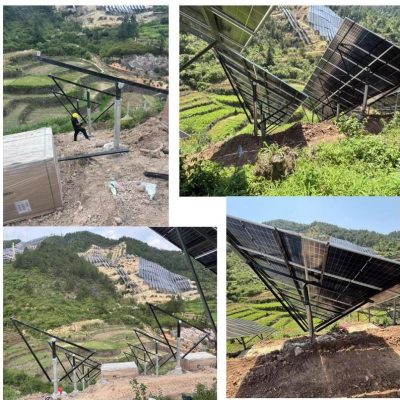
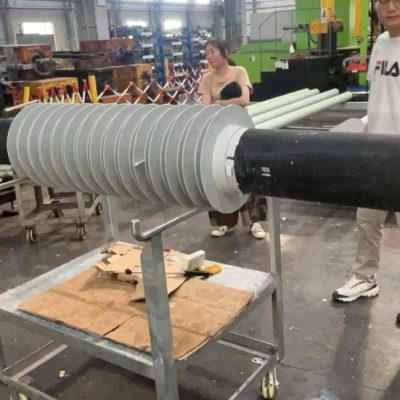
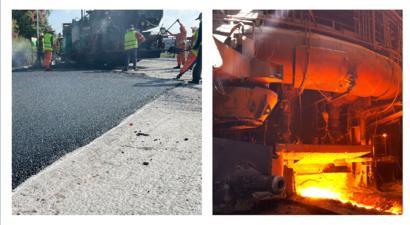
Engineer Project Applications: In civil engineering contexts, basalt fiber composites are extensively deployed as internal reinforcement for concrete pavements, bridge decks, and precast structural elements. The material’s resistance to alkali attack from cement pore solutions prevents the gradual strength loss that plagues traditional E-glass reinforcements in these environments. Geotechnical engineers utilize basalt fiber geogrids and soil-mixed fiber for slope stabilization, embankment reinforcement, and foundation improvement in soft-ground conditions. Marine infrastructure projects — including port facilities, offshore platforms, and seawall constructions — benefit from the complete immunity of basalt fiber to chloride-induced corrosion, which is the primary cause of premature failure in reinforced concrete exposed to seawater.
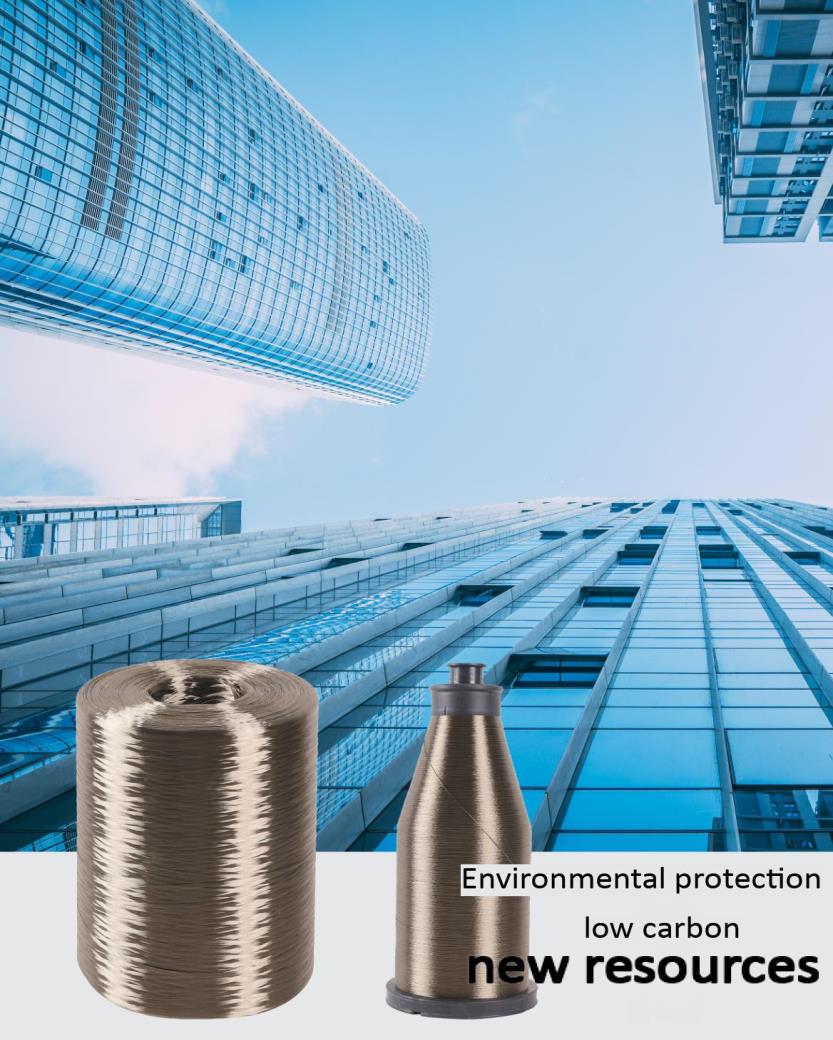
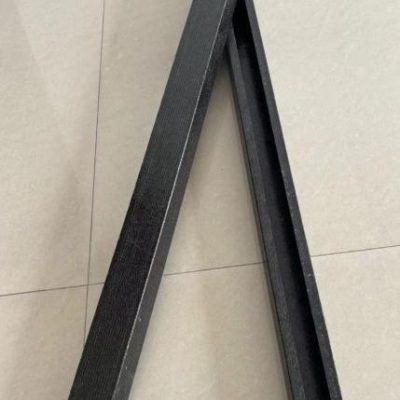
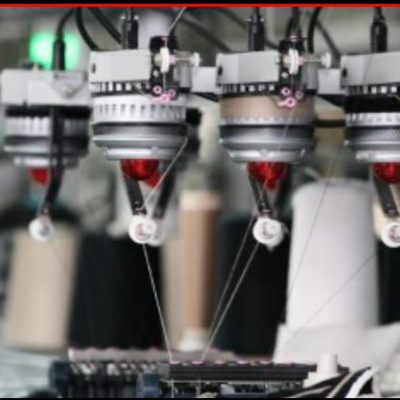
Composite Material Applications: Basalt fiber serves as the reinforcing phase in a broad spectrum of polymer matrix composites manufactured via hand lay-up, filament winding, pultrusion, RTM (resin transfer molding), and compression molding of SMC (sheet molding compound) and BMC (bulk molding compound). Automotive manufacturers increasingly specify basalt-reinforced underbody shields, battery enclosure components, and interior structural inserts to achieve weight reduction targets while meeting stringent flame-smoke-toxicity (FST) requirements for passenger safety. Wind turbine blade producers have validated basalt fiber as a viable partial or full substitute for glass fiber in blade spar caps and root sections, offering improved fatigue performance and reduced blade mass that translates directly into enhanced energy capture efficiency.
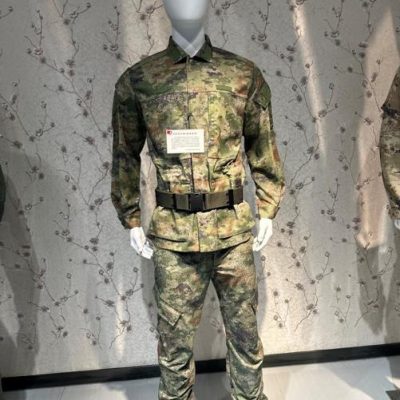
Safety Protection Applications: The non-flammable nature of basalt fiber — it neither burns nor produces toxic smoke when exposed to flame — makes it an ideal candidate for passive fire protection systems in buildings, ships, rail vehicles, and underground transit tunnels. Basalt fiber-woven fabrics and needle-punched mats form the core layer of flexible fire curtains, emergency evacuation chute liners, and fire-stop wraps around cable trays and pipe penetrations. In personal protective equipment, basalt fiber composites contribute to heat-resistant gloves, welding blankets, and firefighter turnout gear layers that must withstand direct flame impingement and radiant heat flux exceeding 500 kW/m². Ballistic testing has further demonstrated that basalt fiber laminates can achieve NIJ Level IIIA threat-stopping capability at competitive areal densities when combined with appropriate resin systems.
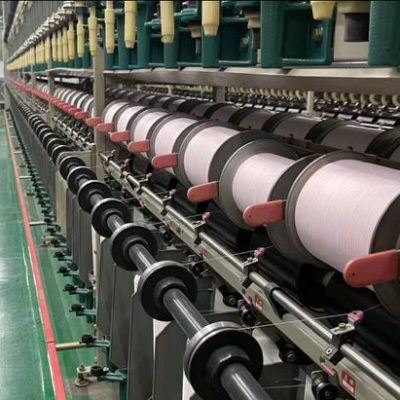
Thermal Insulation Applications: Industrial process plants rely on basalt fiber-based insulation materials to conserve energy, protect personnel from hot-surface contact hazards, and maintain process temperature stability. Basalt fiber wool, batts, and rigid boards provide service temperatures up to 650°C in furnace walls, boiler casings, kiln linings, and exhaust duct insulation. The low thermal conductivity (0.028–0.038 W/m·K) ensures minimal heat loss through insulated surfaces, contributing measurably to plant-wide energy efficiency improvements. Unlike ceramic fiber insulation, basalt fiber products are classified as non-hazardous under most occupational health regulations, simplifying handling, installation, and end-of-life disposal procedures for facility operators.
Industry Value & Conclusion
The breadth of application domains covered by basalt fiber and its composites reflects a maturing technology ecosystem that has moved beyond laboratory demonstration into mainstream industrial adoption. Engineering project managers, composite part designers, safety system specifiers, and thermal insulation engineers all find within this single material family a solution set that addresses their respective performance priorities while sharing common advantages of durability, sustainability, and total lifecycle cost competitiveness. As manufacturing scale continues to expand globally and product forms diversify to serve emerging market segments, basalt fiber is positioned to capture increasing share of the global advanced fiber reinforcement market currently dominated by glass and carbon fiber incumbents.